










Engineering Resilience & Automation in your observability stack
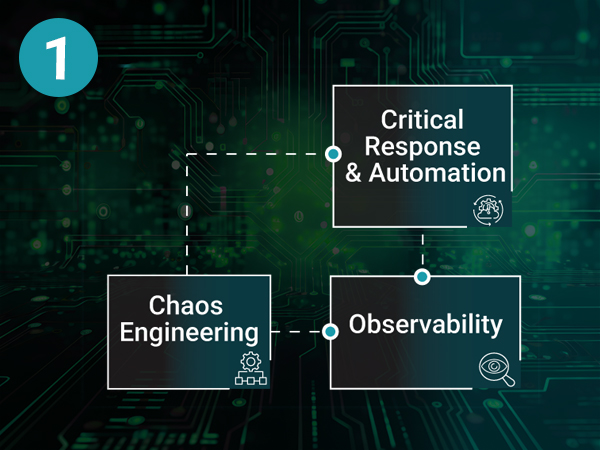
Modern observability stacks can generate thousands of alerts, but visibility without action doesn’t improve uptime. Engineering resilience means detecting issues early, prioritising what matters, automating response, and proactively testing failure scenarios before they become incidents.

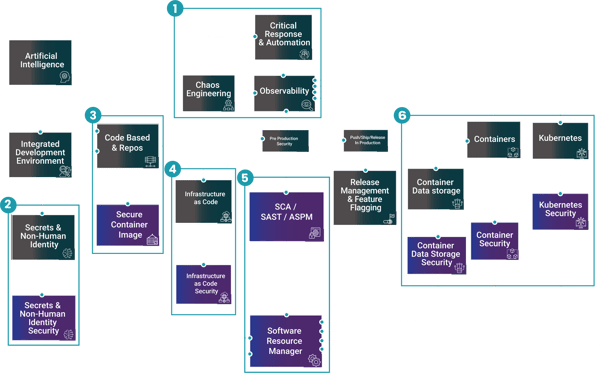
Critical Response & Automation
Problems
Lot’s of alerts, slow resolutions, manual responses.
Solution
Understand what’s wrong going on in your system fast and fix quickly.
Observability
Problems
No insights into complex systems.
Solution
Understand what’s going on in your system, detect issues, and keep everything healthy.
Chaos Engineering
Problems
Resilience uncertainty.
Solution
Breaks things on purpose to test resilience.
Our Vendors of Choice

Together...
LogicMonitor LM Envision unifies hybrid observability with agentic AIOps to reduce noise, speed resolution, and help prevent downtime across cloud and on‑prem environments.
PagerDuty turns those signals into coordinated incident response with on call scheduling and incident management, and adds AIOps and automation to remove manual, repetitive work running diagnostic or remediation actions and triggering runbook automation when seconds matter.
Gremlin completes the loop with controlled chaos experiments and reliability testing, helping teams find and fix availability risks before users are impacted.
Together, LogicMonitor, PagerDuty and Gremlin create a repeatable resilience operating model:
Observe > Prioritise > Respond > Automate > Learn.
Customers can standardise runbooks, significantly shorten MTTR, and continuously harden critical services while improving customer experience.

Is this Relevant to you?
Industry
Which of my customers care about Engineering Resilience & Automation in the observability stack?
Industries where downtime is expensive, customer facing, and regulated typically include:
Financial Services/FinTech
Insurance
Healthcare
Public Sector
Telecommunications
Energy
Retail/Ecommerce
Technology/SaaS/ISVs
Transportation/Logistics
Roles
Who cares about Engineering Resilience & Automation in the observability stack?
Platform Engineering Manager
Kubernetes Platform Owner
SRE Lead
Reliability Engineering Manager
DevOps Lead
Platform Engineering Manager
IT Operations (ITOps) Manager
NOC Lead
Major Incident Manager
Service Delivery Manager
CTO/VP Engineering
Head of Infrastructure

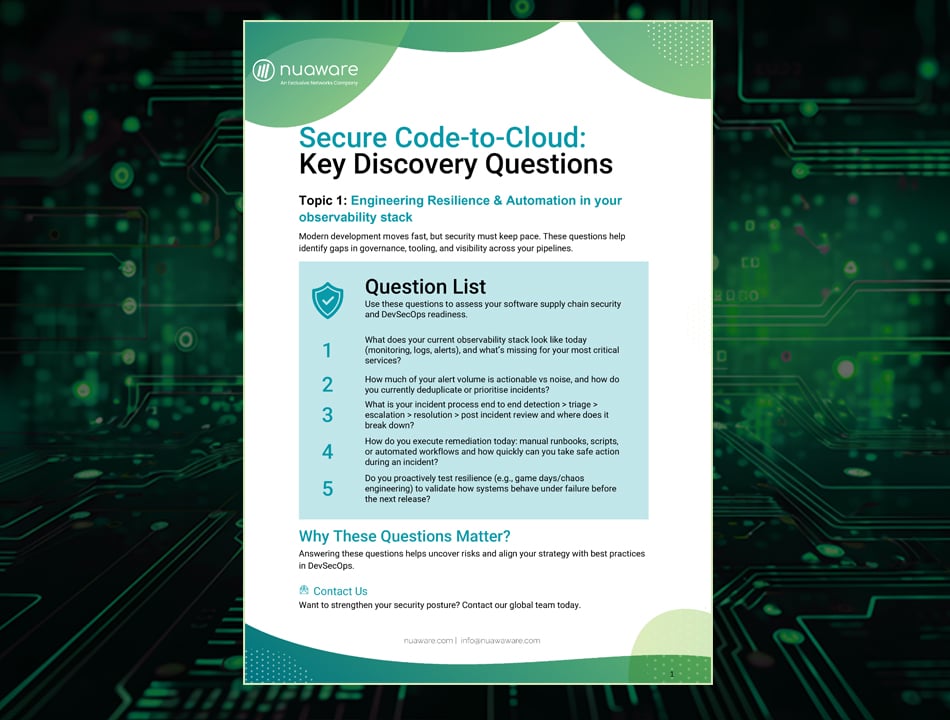
Key Discovery Questions
Answering these questions helps uncover risks and align your strategy with best practices in Engineering Resilience & Automation in the observability stack.
|
1 |
What does your current observability stack look like today (monitoring, logs, alerts), and what’s missing for your most critical services? |
|
2 |
How much of your alert volume is actionable vs noise, and how do you currently deduplicate or prioritize incidents? |
|
3 |
What is your incident process end to end detection > triage > escalation > resolution > post incident review and where does it break down? |
|
4 |
How do you execute remediation today: manual runbooks, scripts, or automated workflows and how quickly can you take safe action during an incident? |
|
5 |
Do you proactively test resilience (e.g., game days/chaos engineering) to validate how systems behave under failure before the next release? |

Continue Your Journey
Contact Us
Connect with our global team
As technology continues to reshape industries and deliver meaningful change in individuals’ lives, we are evolving our business and brand as a global IT services leader.